Cyberbullying: What Every Parent and Teenager Needs to Know
Bullying has always been part of the painful landscape of adolescence. But cyberbullying has changed the rules in ways that make it significantly more damaging — and significantly harder to escape.
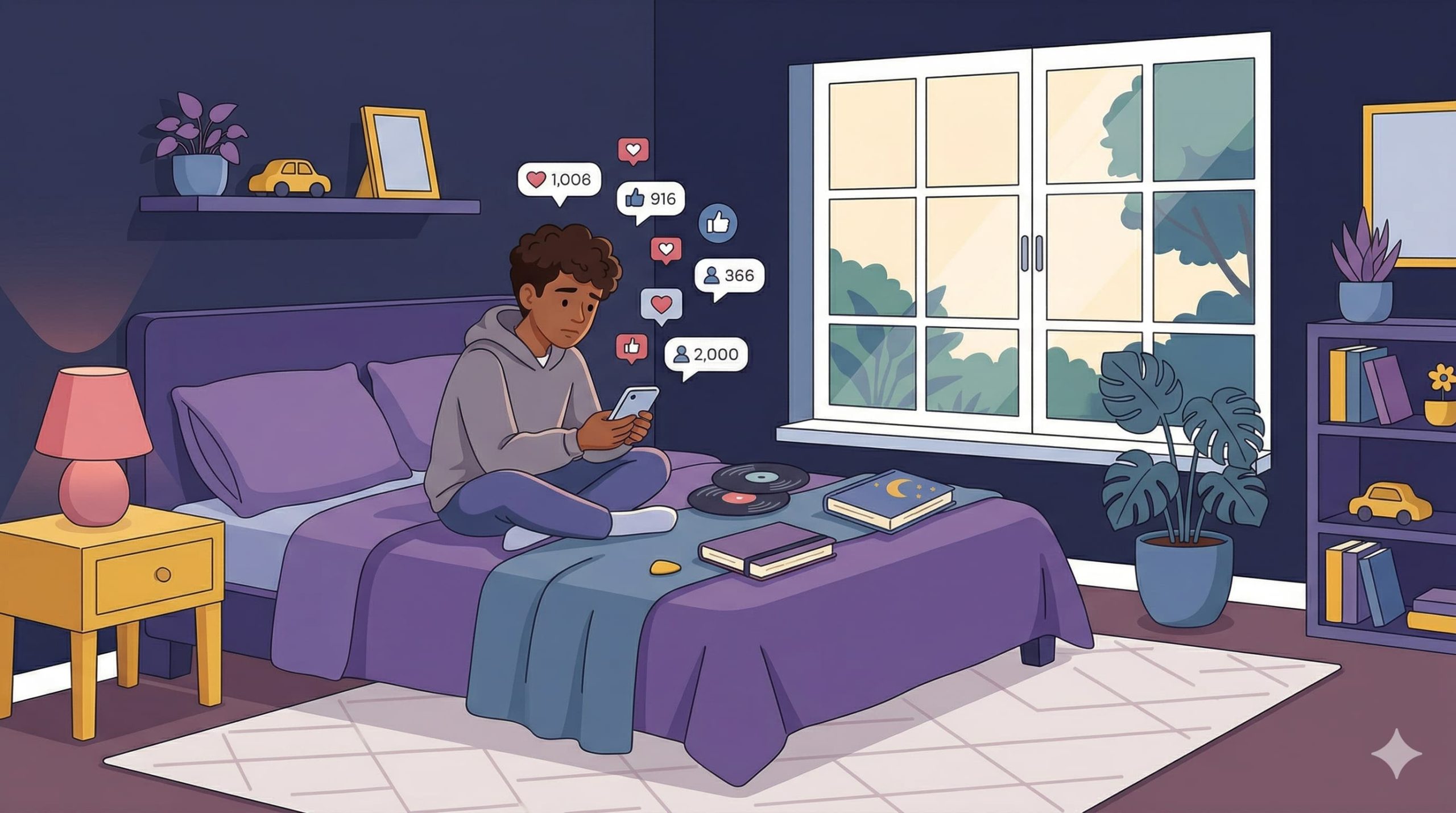
Traditional bullying happened at school. When the bell rang, you could go home. Cyberbullying follows you home. It comes into your bedroom at midnight. It reaches you in the places that used to feel safe.
According to research from the Anti-Bullying Alliance, approximately 1 in 5 young people in the UK have experienced cyberbullying. Many never tell an adult. And the effects on mental health can be severe.
What Is Cyberbullying?
Cyberbullying is any form of bullying that takes place through digital technology — phones, social media, gaming platforms, messaging apps, or websites. It includes:
- Sending threatening, abusive, or humiliating messages directly to a young person
- Posting hurtful, embarrassing, or false content about someone publicly
- Sharing private images or information without consent
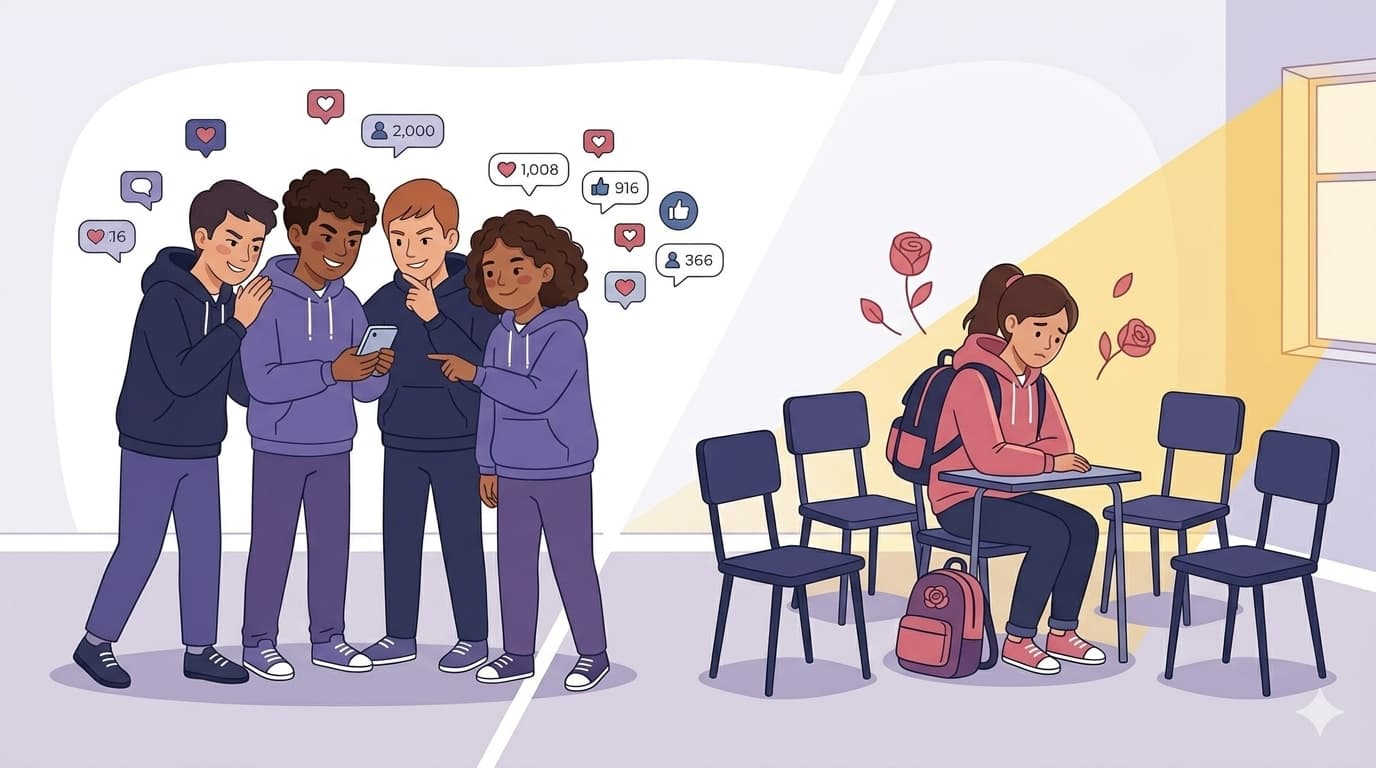
- Deliberately excluding someone from online groups or conversations
- Impersonating someone online to damage their reputation
- Coordinated pile-ons — where multiple people target one individual together
- Harassment through gaming platforms — insults, threats, or exclusion in online games
It’s important to note that cyberbullying often doesn’t look like obvious aggression. It can be subtle — vague comments designed to humiliate, being ‘subtweeted’, being excluded from group chats that everyone else is in. The impact is just as real.
Why Cyberbullying Is Different From Traditional Bullying
It never stops
Traditional bullying is largely confined to school hours and spaces. Cyberbullying is 24/7. A teenager being cyberbullied may receive hostile messages at 2am, wake up to find humiliating content posted about them, and spend every waking hour monitoring their phone with dread. There is no safe space, no break, no recovery time.
It has an audience
When someone is humiliated online, it often happens publicly — in front of classmates, acquaintances, and sometimes strangers. The public nature of online humiliation amplifies its impact enormously. A cruel comment in a school corridor is heard by a handful of people. The same comment posted online can be seen by hundreds.
It leaves a record
Online content can be screenshotted, shared, and preserved. This means humiliating content can resurface long after the initial incident, and can feel permanently attached to a young person’s online identity.
It can be anonymous
Anonymous accounts and fake profiles mean that cyberbullies can operate without fear of consequences. The anonymity of the internet also appears to lower people’s inhibitions — they say things online that they would never say to someone’s face. This can make the content of cyberbullying particularly vicious.
The Impact on Young People’s Mental Health
The research on the mental health impact of cyberbullying is stark. Young people who experience cyberbullying are significantly more likely to experience:
- Depression and persistent low mood
- Anxiety and panic attacks
- Sleep disturbance and nightmares
- Declining academic performance
- Social withdrawal and isolation
- Lowered self-esteem and self-worth
- In severe cases, self-harm or suicidal thoughts
These aren’t reactions to something trivial. Cyberbullying strikes at some of the most fundamental needs of adolescence — the need to belong, to be respected, and to have a safe social world. When those needs are brutally violated in a public, persistent, and inescapable way, the damage can be profound.
Signs Your Teenager May Be Experiencing Cyberbullying
Teenagers often don’t tell adults about cyberbullying — they may fear it will be dismissed, that their device will be taken away, or that adult intervention will make things worse. Watch for these signs:
- Becoming visibly upset, anxious, or withdrawn after using their phone or computer
- Suddenly stopping use of social media or messaging apps they previously used regularly
- Being secretive or evasive about their online activity
- Reluctance to go to school or attend social events
- Declining academic performance
- Withdrawing from friends and family
- Changes in sleep, appetite, or mood
- Unexplained anger, distress, or tearfulness
What To Do If Your Teenager Is Being Cyberbullied
1. Stay calm and believe them
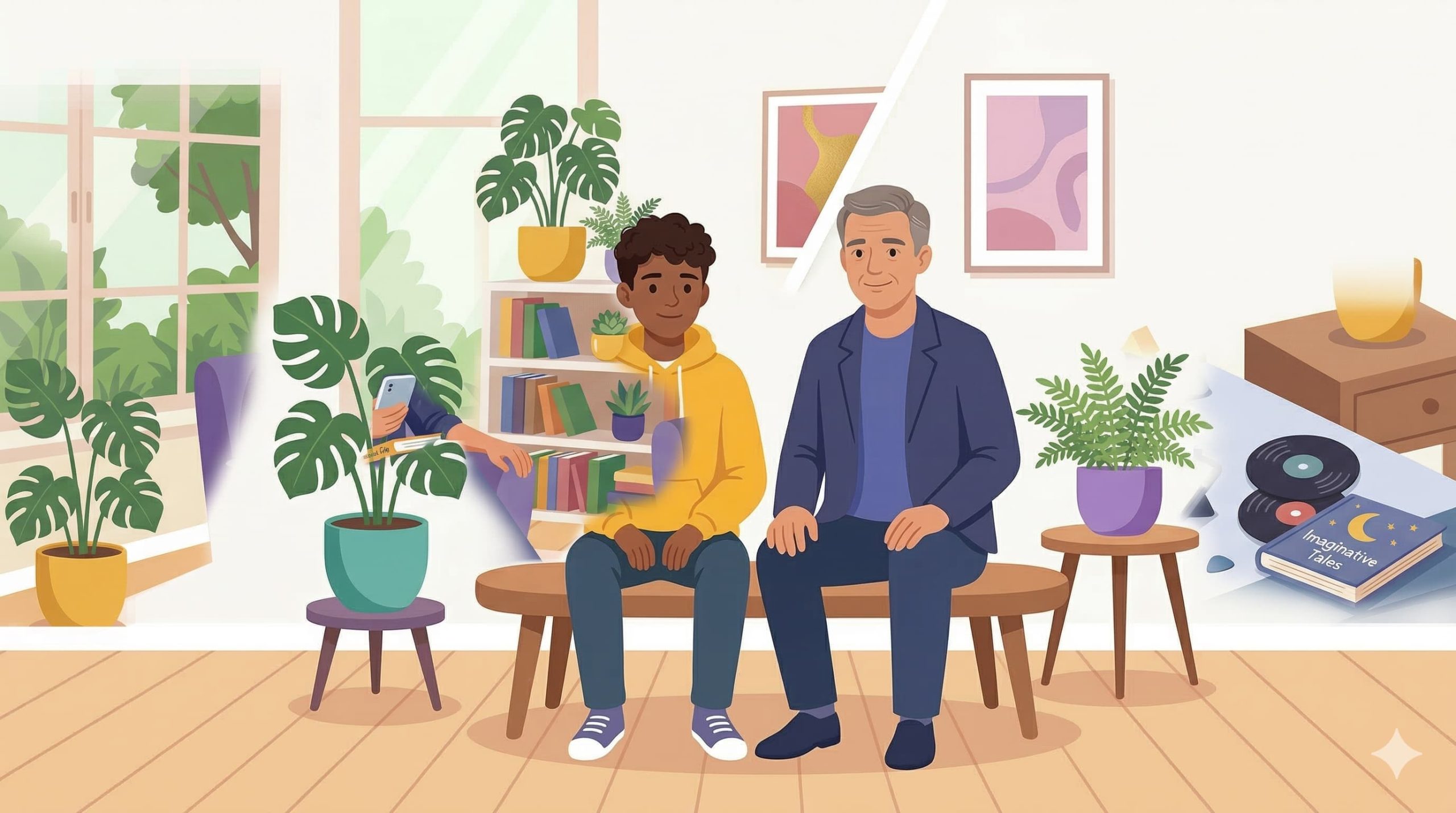
If your teenager tells you they’re being cyberbullied, your first response matters enormously. Stay calm, listen carefully, and make absolutely clear that you believe them and that it is not their fault. Any hint of dismissal, blame, or overreaction can shut the conversation down.
2. Don’t immediately take their phone away
A common instinct is to remove the device — but this can feel like a punishment to the young person, cutting them off from the positive social connections they have online as well as the negative ones. Instead, work together on the response.
3. Document everything
Before blocking or deleting anything, take screenshots of all abusive content. Record dates, times, usernames, and platforms. This evidence may be needed if you report to the school, the platform, or in serious cases, the police.
4. Report and block
All major social media platforms have reporting mechanisms for abusive content and accounts. Use them. Block the accounts involved. Report content to the platform for removal. In many cases, platforms will respond — particularly when content clearly violates their terms.
5. Involve the school
Even if the bullying is happening outside school hours, schools have a legal responsibility to address bullying that affects their students. Contact the school directly and request a meeting with the pastoral lead or head of year. Bring your documentation.
6. In serious cases, contact the police
Certain forms of cyberbullying are criminal offences — including threats of violence, sharing intimate images without consent, and sustained harassment. If the behaviour is serious, persistent, or threatening, contact your local police. You can also report to CEOP (the Child Exploitation and Online Protection command) at ceop.police.uk.
7. Support your teenager’s emotional recovery
Even after the bullying stops, the emotional impact can persist for a long time. Your teenager may need significant support to rebuild their confidence, re-engage socially, and feel safe online again. Professional support from a Young Person & Family Practitioner can make a real difference — helping them process what happened, challenge negative beliefs about themselves, and develop resilience.
A Note to Teenagers
If you are being cyberbullied, we want you to know: this is not your fault. The way people are treating you online says everything about them and nothing about your worth as a person.
You don’t have to deal with this alone. Telling a trusted adult — a parent, a teacher, a school counsellor — is not weak. It is brave. And it is the single most effective thing you can do to make it stop.
If you’re not ready to talk to someone you know, organisations like Childline (0800 1111) offer completely confidential support from trained counsellors who understand exactly what you’re going through.
At Harmonical Life we support teenagers and families navigating the complex and often painful landscape of online life. If cyberbullying has affected your family, we’re here to help — with compassionate, evidence-based support that makes a real difference.
— The Harmonical Life Team